
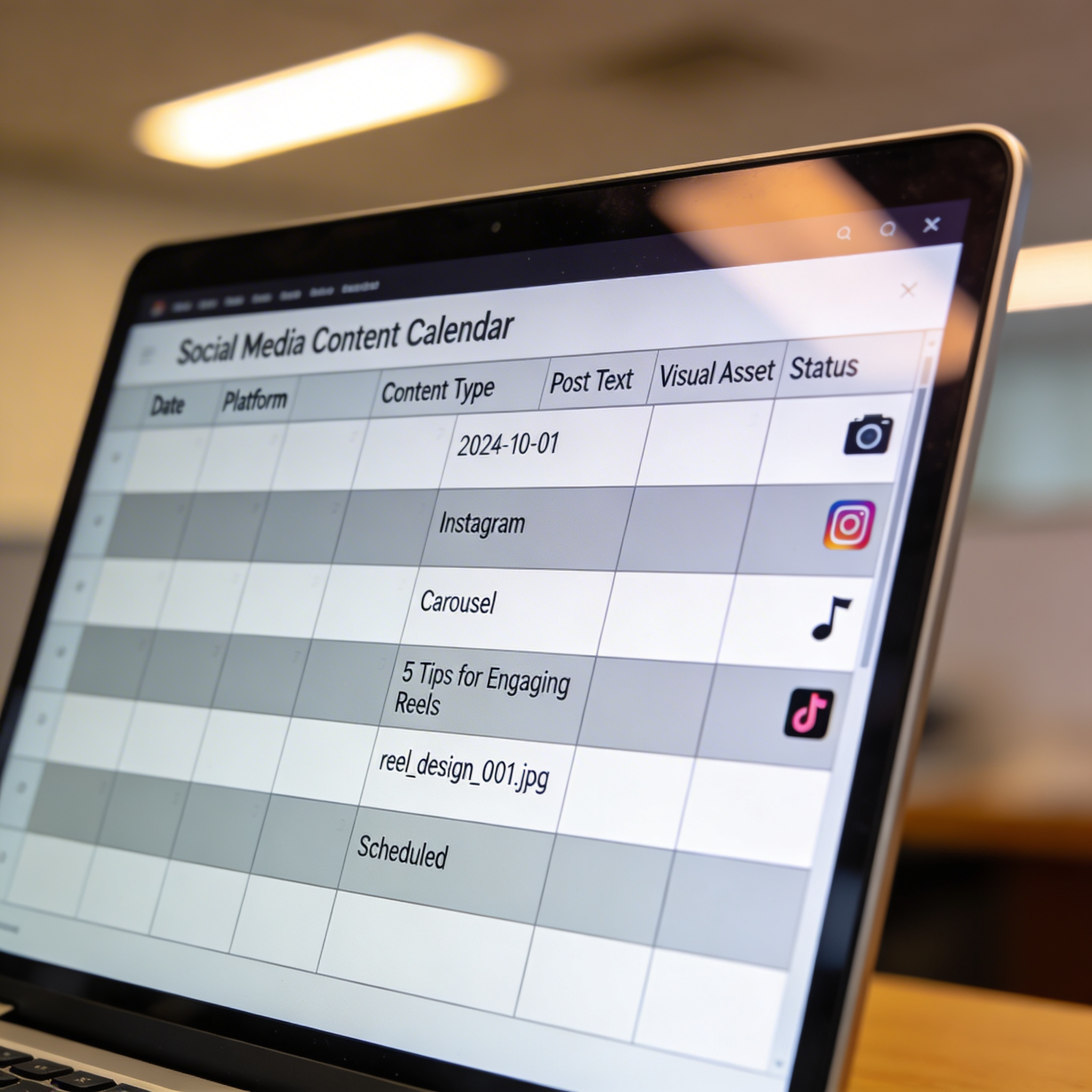
A Social Media Content Calendar is more than just a planning tool; it’s a strategic asset essential for any business looking to optimize their social media presence. With 63% of businesses lacking a documented strategy, implementing a content calendar can be a game-changer, potentially boosting engagement rates by 60%. This article dives into how you can harness the power of content calendars to not only organize but elevate your social media efforts.
Effective Social Media Content Planning
Creating engaging content consistently can feel overwhelming, especially when juggling multiple platforms and diverse audiences. A structured content plan can alleviate this burden, ensuring you connect with your audience while meeting your marketing goals.
Start by setting clear objectives for each platform. Understand whether your focus is on brand awareness, lead generation, or customer retention. Each goal requires a different content approach. Next, perform an audit of your existing content. Identify what types of posts resonate with your audience and eliminate what’s not working.
Step into your audience’s shoes to determine what they value. Develop content themes that align with both their interests and your brand message. This alignment will guide you in producing relevant and timely posts. Once your themes are clear, create a content calendar. This tool ensures you maintain a consistent posting schedule and allows for strategic planning of content around key events or holidays.
Incorporate variety into your content. A mix of educational posts, promotional offers, and interactive content like polls can keep your audience engaged. Remember to leverage user-generated content (UGC) as well. It adds authenticity and strengthens community engagement.
Finally, measure and adjust your strategy using analytics. This feedback loop helps refine your content plan, ensuring it evolves with your audience’s changing preferences.
For more on streamlining your workflow, check out our guide to content calendar best practices, and don’t miss the next chapter on optimizing posting schedules for maximum impact.
Optimizing Social Media Content for Engagement
A common frustration among social media marketers is posting content that goes unnoticed despite putting in significant effort. To combat this, let’s explore effective strategies for optimizing content to boost engagement.
Start by understanding your audience. Analyze data to determine when they are most active and tailor your posting schedule accordingly. Each social platform has peak times; utilizing them can significantly increase visibility.
Crafting compelling and concise posts is crucial. On platforms like Twitter and Instagram, where brevity is key, use vivid imagery paired with succinct, impactful text. Ask questions, use polls, or share quick tips to encourage interaction.
Utilize platform-specific features. Instagram Stories and Reels, for instance, provide creative opportunities to engage followers authentically. Experiment with different content types to discover what resonates best with your audience.
Don’t forget about hashtags — they are powerful tools for expanding your reach. Research trending hashtags relevant to your industry but avoid cluttering your posts with too many. Instead, focus on a mix of popular and niche hashtags to connect with targeted audiences.
Internal resources like social media analytics can offer deep insights into which strategies are effective, helping refine your approach over time.
Finally, engage back! Prompt responses to comments and messages create a sense of community and can significantly enhance your brand’s image. Prioritize interaction as much as content creation to foster deeper relationships with your audience.
For detailed insights and strategies, see Hootsuite’s guide on developing a robust content strategy.
Understanding Social Media Metrics
Many businesses launch social media campaigns without a firm grasp on what success actually looks like. Tracking the wrong metrics can lead to wasted effort and resources. Let’s get a clearer picture of which metrics matter most and why.
Engagement Rate is a vital indicator of how your audience interacts with your content. It encompasses likes, comments, shares, and reactions. High engagement not only amplifies your reach but also signifies content relevance and resonance. Dive deeper into effective engagement strategies.
Next, reach is the total number of unique users who have seen your post. While it’s tempting to focus solely on your follower count, reach provides a more nuanced view of your content’s exposure. Reach is crucial when assessing brand awareness and discovering new audience segments.
Another key metric is conversion rate. It’s not enough for users to interact with your content; they must also take the desired action. Whether that’s signing up for a webinar or purchasing a product, tracking conversion rates is essential for assessing ROI.
Finally, consider social share of voice (SOV). This metric reveals how much your brand is mentioned compared to your competitors. A strong SOV indicates market dominance and better customer recognition.
Understanding and tracking these metrics carefully will help guide your social media strategy to align with business goals and ensure resources are effectively utilized.
Done-For-You Social Media
Stay Consistent & Grow Without Lifting a Finger
From content creation to posting and engagement, we manage everything so you can focus on running your business.
Strategy Development in Social Media Management
Many businesses struggle with the constant demand for fresh and engaging social media content. This challenge can become overwhelming without a clear strategy. To tackle this, we must first understand the importance of developing a robust social media strategy.
A well-defined strategy ensures consistent messaging that aligns with brand objectives. It enables us to plan content in advance, allowing more time for creativity and engagement. Begin by setting clear goals. Are we looking to increase brand awareness, drive traffic to our website, or boost sales? Having clear objectives will inform our content direction and measurement criteria.
Researching the competition also helps identify opportunities and gaps. Assess their strengths and weaknesses, and determine what resonates with their audience. This insight can help refine our own strategy to better target our audience.
Content planning is the next critical step. We should consider developing a content calendar to schedule posts across platforms. This ensures a steady stream of material and prevents last-minute scrambles for content ideas. Experiment with different content forms like videos, polls, and stories to see what resonates most.
Additionally, leverage social media trends to keep our content fresh and relevant. Staying updated with current trends ensures we engage with our audience effectively and remain competitive.
Finally, measure the success of our strategies through analytics. Platforms like Facebook Insights and Google Analytics provide valuable data on engagement and reach. Use this information to refine your strategy and improve future performance. With these steps, developing a social media strategy becomes a structured process rather than a daunting task.
Leveraging Social Media Analytics
Understanding the impact of your social media efforts isn’t just about checking your follower count. It’s about dissecting data to drive improvement. If you’re solely focusing on likes and shares, you’re missing the bigger picture. This is where social media analytics become indispensable.
Why Track Analytics?
Tracking analytics helps us uncover insights into our audience’s preferences and behaviors. It goes beyond vanity metrics to offer actionable data that can inform your future strategies. By identifying what content resonates, we can refine our messaging, improve engagement, and ultimately drive conversions.
Key Metrics to Watch
While each platform offers a deluge of data, focus on critical metrics that align with your goals. Engagement rate, reach, and conversion rates are essential benchmarks. They provide a clear picture of how our audience interacts with our content and whether these interactions translate into business objectives.
Use tools like Google Analytics for deeper insights. Combine this with platform-specific tools like Facebook Insights or Instagram Analytics to get detailed reports that are vital in adapting our strategies.
For more detailed strategies on maximizing your social media impact, visit our social media strategy page.
Implementing a Systematic Approach
Develop a regular schedule to review and analyze data—weekly or monthly, depending on campaign intensity. This consistent approach ensures we’re always operating with the latest insights, enabling timely adjustments.
Final Thoughts
Incorporating a Social Media Content Calendar into your strategy not only enhances organization but drives your social media success. By strategically planning content, businesses can ensure alignment with marketing objectives and produce content that resonates. As you cultivate your calendar, focus on adapting to platform changes and audience behavior to sustain growth and engagement.